Exploring the Latest Trends in Functional Medicine


Understanding Functional Medicine
Functional medicine is an approach to healthcare that focuses on identifying and addressing the root causes of disease. Unlike traditional medicine, which often treats symptoms, functional medicine seeks to understand the complex interactions within the body that lead to illness. By doing so, it aims to provide more personalized and effective treatments.
This approach has gained popularity as patients and practitioners alike seek alternatives to conventional methods. Functional medicine is holistic, considering genetic, environmental, and lifestyle factors that may influence health. This comprehensive view allows for tailored interventions that can lead to improved outcomes.

Personalized Nutrition
One of the most significant trends in functional medicine is the emphasis on personalized nutrition. This involves creating a diet plan that is tailored to an individual's unique genetic makeup, lifestyle, and health needs. By focusing on the specific nutritional requirements of the individual, functional medicine practitioners aim to optimize health and prevent disease.
Personalized nutrition often involves the use of advanced testing to identify deficiencies, food sensitivities, and metabolic imbalances. These insights are then used to create a customized nutritional plan that supports the body's natural healing processes.

Integrative Therapies
Functional medicine often incorporates integrative therapies, blending conventional medical practices with alternative treatments. This may include acupuncture, chiropractic care, and herbal medicine. By combining these diverse practices, functional medicine offers a more comprehensive approach to healing.
Research has shown that integrative therapies can enhance the effectiveness of traditional treatments, reduce side effects, and improve overall well-being. This synergy is a key component of the functional medicine philosophy, which seeks to treat the whole person rather than just the disease.
Technological Advancements
Recent technological advancements have played a crucial role in the evolution of functional medicine. Tools such as genomic testing, wearable devices, and advanced imaging techniques provide practitioners with detailed insights into a patient's health. These innovations enable more precise diagnoses and personalized treatment plans.
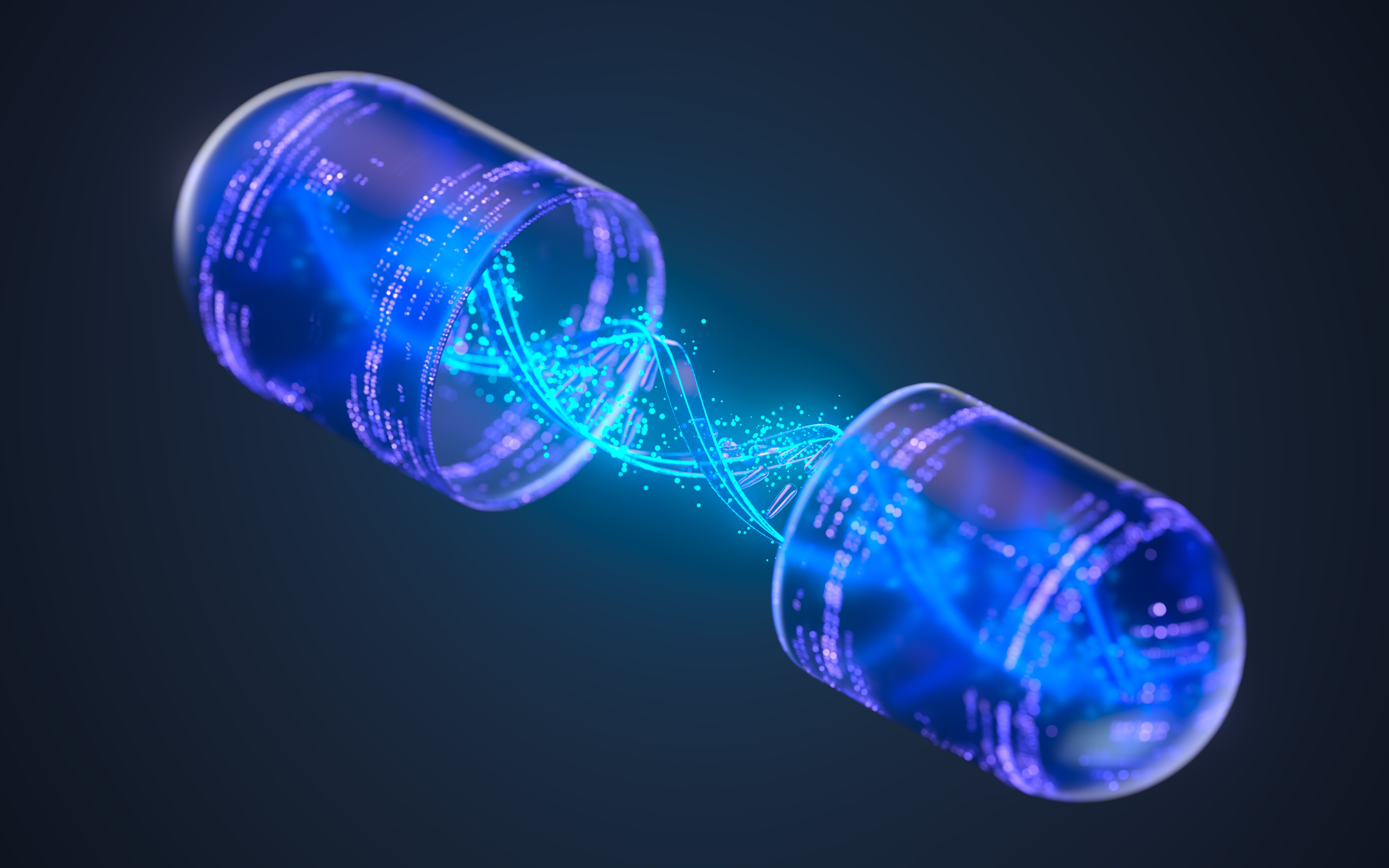
For example, genomic testing can reveal genetic predispositions to certain diseases, allowing for early intervention and prevention strategies. Wearable devices can track vital signs and lifestyle habits, providing real-time data that can be used to make informed decisions about health interventions.
The Role of Lifestyle Medicine
Lifestyle medicine is an integral part of functional medicine, emphasizing the importance of healthy habits in preventing and managing chronic conditions. This includes regular physical activity, stress management, adequate sleep, and social connections. By focusing on these areas, functional medicine aims to empower patients to take control of their health.
The shift towards lifestyle medicine reflects a growing recognition of the impact that daily habits have on overall well-being. By addressing these factors, functional medicine practitioners help patients build sustainable, health-promoting lifestyles.

The Future of Functional Medicine
The future of functional medicine looks promising, with continued research and innovation paving the way for more effective treatments. As more people seek personalized and holistic approaches to healthcare, functional medicine is likely to become an integral part of modern medical practice.
Collaboration between conventional and functional medicine practitioners is essential for this evolution. By working together, they can provide comprehensive care that meets the diverse needs of patients.